
Unlearning the “normal”: A path to becoming community change agents
Published: Apr 6, 2026 Reading time: 3 minutes Share: Share an articleIn Ward-6 of Barahathwa Municipality, Nepal, gender inequality is deeply embedded in daily life—even for those who believe in the importance of gender equality. Many community members, including those in the Smriti Tole Development Committee (a local-level group that promotes citizen participation in development), felt that they treated men and women equally. They believed there was no discrimination between sons and daughters and considered household matters as private, beyond the need for outside intervention.
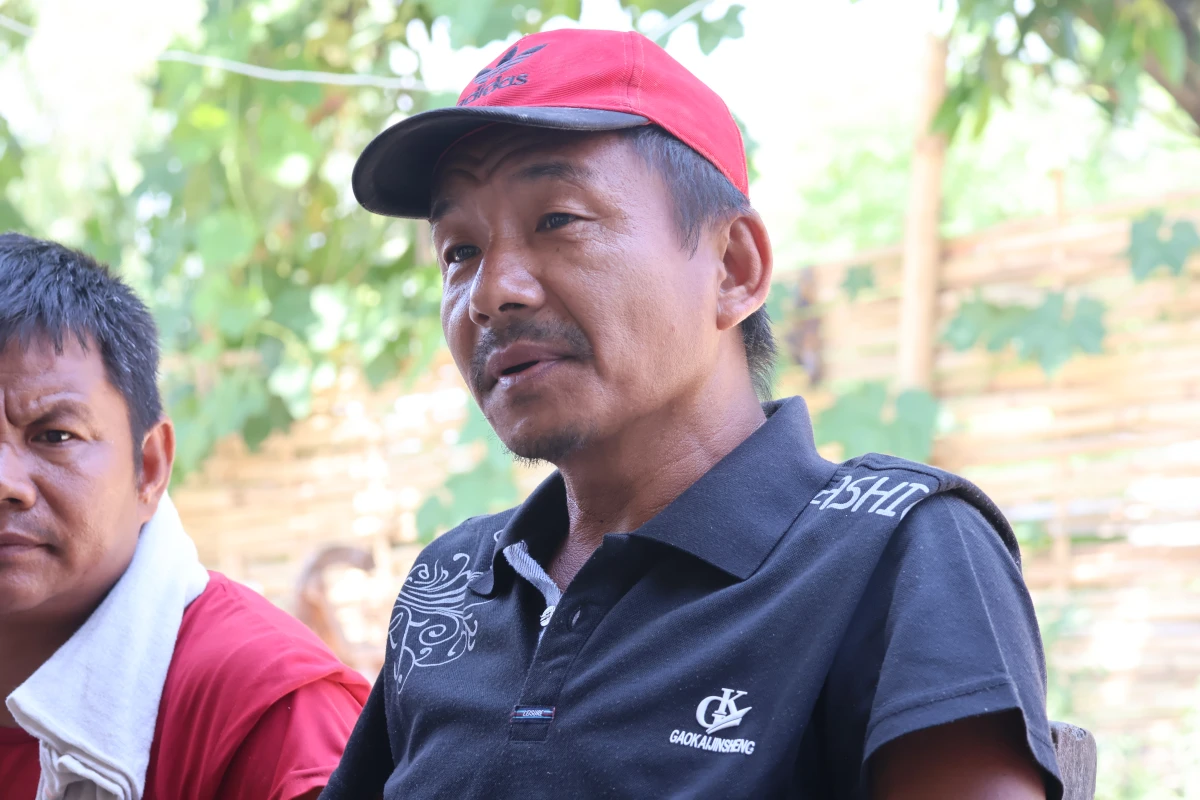
However, these beliefs did not always reflect reality. Social norms were so ingrained in daily life that inequality often went unnoticed. For example, while families claimed to value sons and daughters equally, sons were more likely to be sent to better schools or allowed to study farther away, while daughters were expected to stay closer to home. Similarly, certain ways of speaking to or treating wives, considered normal by many men, were in fact subtle forms of gender-based violence. These everyday behaviours revealed a gap between what people believed and what they practised.
This began to change when Smriti members participated in our Gender Transformative Social Norms (GTSN) sessions. These sessions encouraged deep reflection and critical thinking about personal behaviour and social norms. For many, this was the first time they had engaged in such open and analytical discussions. Through guided conversations, they started to question long-held assumptions and recognise hidden forms of inequality and violence within their own homes.
Participants acknowledged that even small, seemingly harmless decisions often favoured boys over girls.
Men began to reflect on their behaviour towards their wives, which not only raised awareness but also created a sense of responsibility for change.
Following the sessions, SMRITI members began to transform their attitudes and actions. They became more confident in addressing issues that they had previously ignored. For instance, when a couple in their community was frequently quarrelling and nearing divorce, committee members stepped in to mediate—a step they would not have taken before. Gradually, the community recognised SMRITI as a trusted group with knowledge of gender-based violence prevention and social norms. People began contacting them for support in resolving disputes.

The committee also became more active in engaging with the wider community. Members started sharing their learnings informally, participating in public events such as International Women’s Day rallies, and promoting key messages like shared household responsibilities, women’s economic participation, inclusion of persons with disabilities, and rejection of child marriage. The community is now more aware of complaint and referral mechanisms and now knows where to seek help when needed.
An important milestone in their journey was learning how to access and utilise local government resources. Although NPR 200,000 (€1160) had been allocated by the ward, SMRITI previously did not know how to mobilise these funds. With support from local government (LG) officers under the Security and Justice Programme (SJP) project, they successfully accessed the budget and used it to organise four street dramas on gender-based violence and harmful social norms, in collaboration with Gadimai Natak Kala Kendra. While performing in front of familiar faces was initially uncomfortable, these dramas proved to be an effective way to spark dialogue and raise awareness within the community.

Today, SMRITI Tole Development Committee has evolved into an active and trusted community actor. Through reflection, learning, and action, they have moved from being silent observers of social norms to agents of change—helping create a more aware and equitable community.
The Security and Justice Programme (SJP) is funded by the FCDO Nepal, led by People in Need Nepal in partnership with Divya Development Resource Centre (DDRC) and Hami Daju Bhai.


